Blog |

What are charities and how do they work?A charity’s aims have to fall into categories that the law says are charitable. These are things like preventing or relieving poverty or advancing the arts, culture, education, or science. It has to be established exclusively for what is known as public benefit. That means its only purpose must be charitable. Charities can’t make profits. All the money they raise has to go towards achieving their aims. A charity can’t have owners or shareholders who benefit from it. Charities have to state what their charitable objectives are in order to be registered with the Charity Commission and then explain how they are meeting them in their annual reports, which are publicly available. What are girls' education charities?Girls' education charities in developing countries typically aim to increase the time that children spend in education institutions and the quality of teaching that the children receive by building schools, tutoring outside the classroom, improving literacy, incentivising attendance, and providing supplies and technology. They are also organisations that focus on improving access to education for girls and young women, particularly in regions and communities where girls face significant barriers to education. These charities aim to address issues such as poverty, discrimination, cultural biases, and lack of access to resources that can prevent girls from receiving an education. Some examples of girls' education charities include: Malala Fund: The Malala Fund works to ensure that girls around the world have access to 12 years of safe, quality education. Room to Read: A non-profit organisation that focuses on improving literacy and gender equality in education in developing countries. Camfed: The Campaign for Female Education is an international non-profit organisation that works to eradicate poverty in Africa through the education of girls and the empowerment of young women. Girls Who Code: A US-based organisation that aims to close the gender gap in technology by providing girls with access to computer science education and coding skills. Educate Girls: A non-profit organisation that works to improve access to education for girls in rural and remote areas of India. 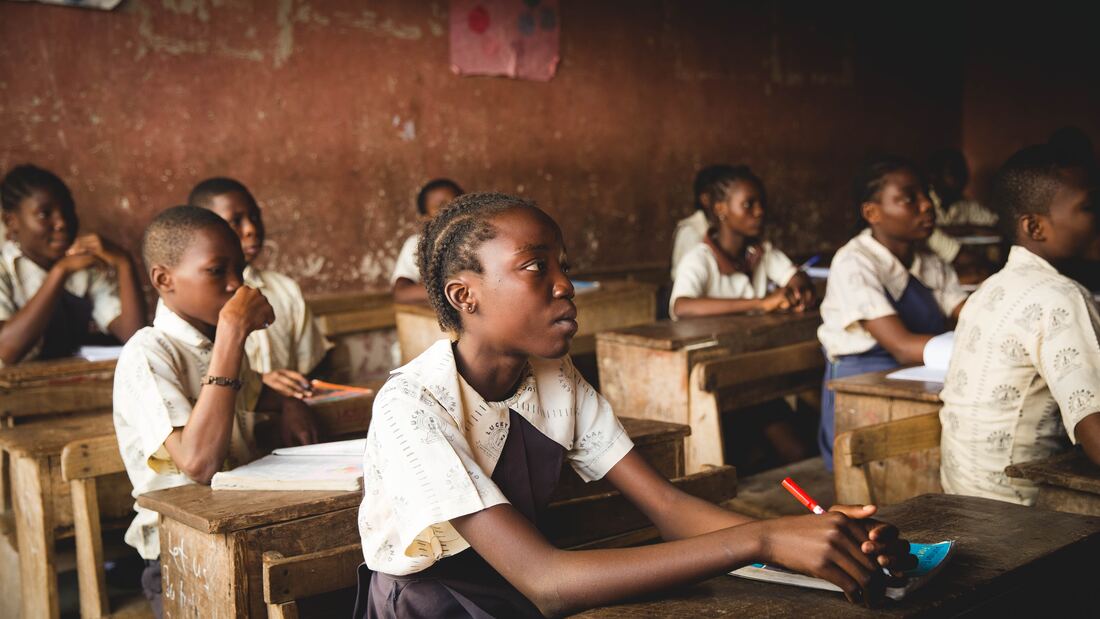 Photo by Doug Linstedt on Unsplash Education is a critical tool for social and economic empowerment, yet millions of girls around the world are denied access to education due to poverty, discrimination, and cultural biases. Girls who are denied an education are more likely to live in poverty, experience poor health outcomes, and be at risk of child marriage, trafficking, and exploitation. Girls' education charities work to promote gender equality and provide girls with the resources and support they need to access education and achieve their full potential. By providing scholarships, educational resources, mentorship, and advocacy, these organisations help to break down barriers and create opportunities for girls to succeed in school and beyond. In addition to the benefits for individual girls and their families, investing in girls' education has significant social and economic benefits, including reducing poverty, improving health outcomes, and promoting gender equality and social progress. Educate Women and Save the World | Dorsa Esmaeili Source: Tedx How do charities impact girl child education?Charities have a significant impact on girl child education in many ways. Girls' education charities provide a range of services and support, including: Increasing access to educationCharities work to increase access to education for girls by providing scholarships and financial assistance to cover school fees, books, and other educational resources. This helps to reduce the financial burden on families and increases the likelihood that girls will attend and complete school. Providing educational resourcesCharities provide educational resources such as books, school supplies, and uniforms to girls who may not have access to them. This helps to ensure that girls have the tools they need to succeed in school. Teacher training and supportCharities provide teacher training and support to help teachers create a more supportive and inclusive learning environment for girls. This helps to ensure that girls receive quality education and are able to reach their full potential. Mentorship and leadership development: Charities provide mentorship and leadership development programs to help girls build confidence, develop leadership skills, and pursue their goals. This helps to empower girls and prepare them for success in school and beyond. Advocacy and awareness-raisingCharities raise awareness about the importance of girls' education and advocate for policies and programs that support girls' access to education.This helps to create a more supportive environment for girls' education and increases the likelihood that girls will attend and complete school. Girls' education charities play a critical role in promoting girl child education by addressing the social, economic, and cultural barriers that prevent girls from accessing education and by providing resources and support to help girls succeed in school and beyond. Everyone has a role to play in girls' educationThe role of government in girl's educationThe government efforts to safeguard children who are at risk and guarantee that they obtain a high standard of education, training, and care to enable them to thrive. The Education Funding Agency (EFA) is responsible for the management of £54 billion in funds allocated towards the provision of state-funded education for a total of 8 million children aged between 3 and 16, as well as 1.6 million adolescents aged between 16 and 19, in the United Kingdom. The role of governments in promoting education in underdeveloped nations has been suboptimal. It is imperative for governments to revise their policies in order to promote the attendance of girls in educational institutions. This can be achieved by ensuring that all children have equitable access to education or by offering financial assistance to families whose daughters pursue education. It is vital for educators to guarantee that female students are provided with a high-quality education, which can be achieved through receiving training and support provided by the government. In order to provide a safe educational setting for female students, it is crucial for governmental bodies to allocate resources towards the establishment and upkeep of scholastic infrastructure, including but not limited to lecture halls, reading rooms, and lavatories  Photo by Andy Blackledge on Flickrr The role of organisations in girls' educationIt is necessary for organisations to persist in their efforts to facilitate girls' access to education, as there remains a significant amount of progress yet to be achieved. These crucial organisations have made it possible for young girls who were previously unable to access education or envision a promising future to now have hope for assistance. The organisations that are most widely recognised for their efforts in promoting girls' education include Educate Girls, Malala Fund, Camfed, she's the first, Care international, and the United Nations. Girls' Education Initiative for these organisations must persist in their pursuit of novel avenues for collaboration, such as partnering with technology enterprises that can furnish young females with smartphones or tablets to facilitate their academic pursuits. Individuals have the option to either promote modifications in policies at the regional, national, or global level or enhance the recognition of the issue. Organisations have the potential to motivate their employees to engage in volunteer work or fundraising activities that support initiatives aimed at promoting the education of girls. 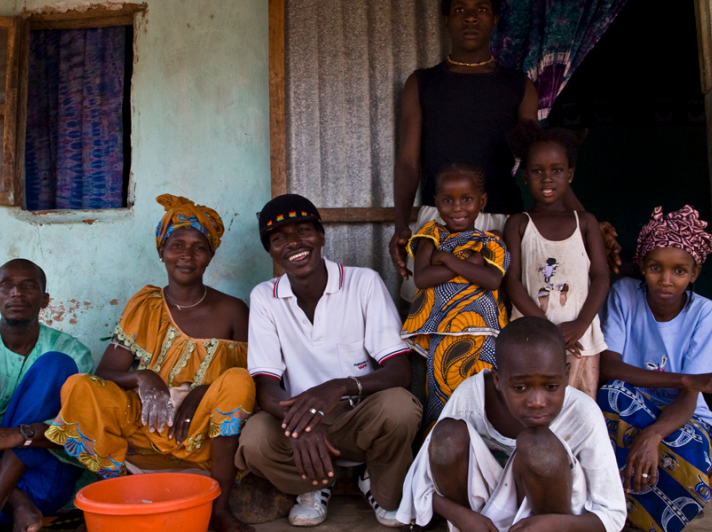 Photo by FP30 The role of families in girls' educationFamilies hold considerable importance in various aspects. If parents prioritise education, they can encourage their daughters to attend school regularly and take an active interest in their academic progress. Financial assistance is available to cover expenses related to educational fees, uniforms, and textbooks. The process of deconstructing gender stereotypes. Parents can motivate their female to pursue disciplines that have been historically male- dominated, such as science or engineering, and furnish them with the necessary support and resources. Creating a safe and supportive atmosphere. This might involve guaranteeing that their female are provided with hygienic water and sanitation facilities within their household, in addition to safeguarding them against physical or psychological maltreatment. Support groups. Individuals have the ability to share their personal experiences and advocate for the prioritisation of their daughters' education among their community members. Efforts can also be made to modify policies or cultural practises that have detrimental effects on the well-being of girls. The role of individuals in girls' educationThe success of non-profit organisations that aim to facilitate girls' education is heavily reliant on the contribution of individuals. This consists of both singular and recurring donations, as well as initiatives aimed at generating funds for a particular purpose or organisation. Engaging in volunteer work is a crucial undertaking, whereby one can contribute to society by serving as a mentor or tutor for young women, providing technical assistance or strategic counsel, or assisting with fundraising or event coordination. Disseminating information through social media, producing blog posts or articles, and organising events are all crucial means of promoting girls' education and raising awareness about the matter. Individuals have the opportunity to contribute a minimum of 10 pounds on a monthly basis to these charitable organisations and monitor the impact of their support. It is imperative that we take action and collaborate to promote communal well-being and equal opportunities for all. 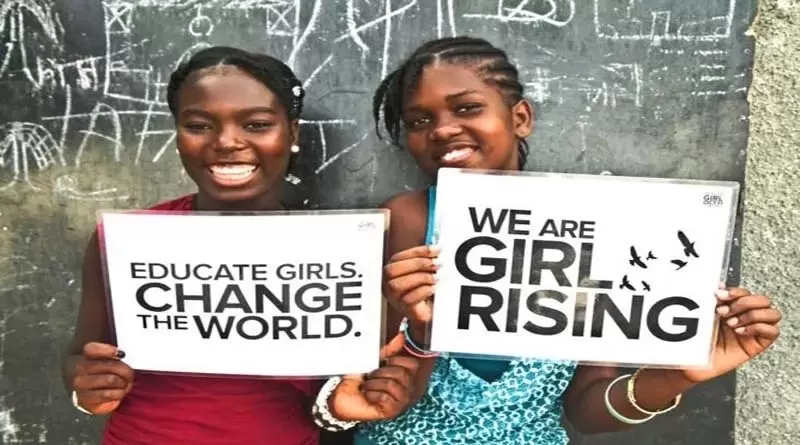 Photo by Info Guide Nigeria Role of SaGG Foundation in educating girls'The impact of girls' education benefits us in ways deeper than ever! Not only does it enhance your career but also pushes you to become more aware of your rights and direct a brighter future for yourself. Education and its impact can positively change the trajectory of your life and we emphasise on girl child education to help place girls on the path to success. However, in The Gambia, female education is not supported easily. Girls are subjected to early child marriages, child labour, child trafficking, and many similar adversities that hinder their growth and possibilities. We believe in creating an impact and bringing about a change through education. This initiative is only successful with your help! We believe in creating an impact and bringing about a change through education. This initiative is successful with your help! 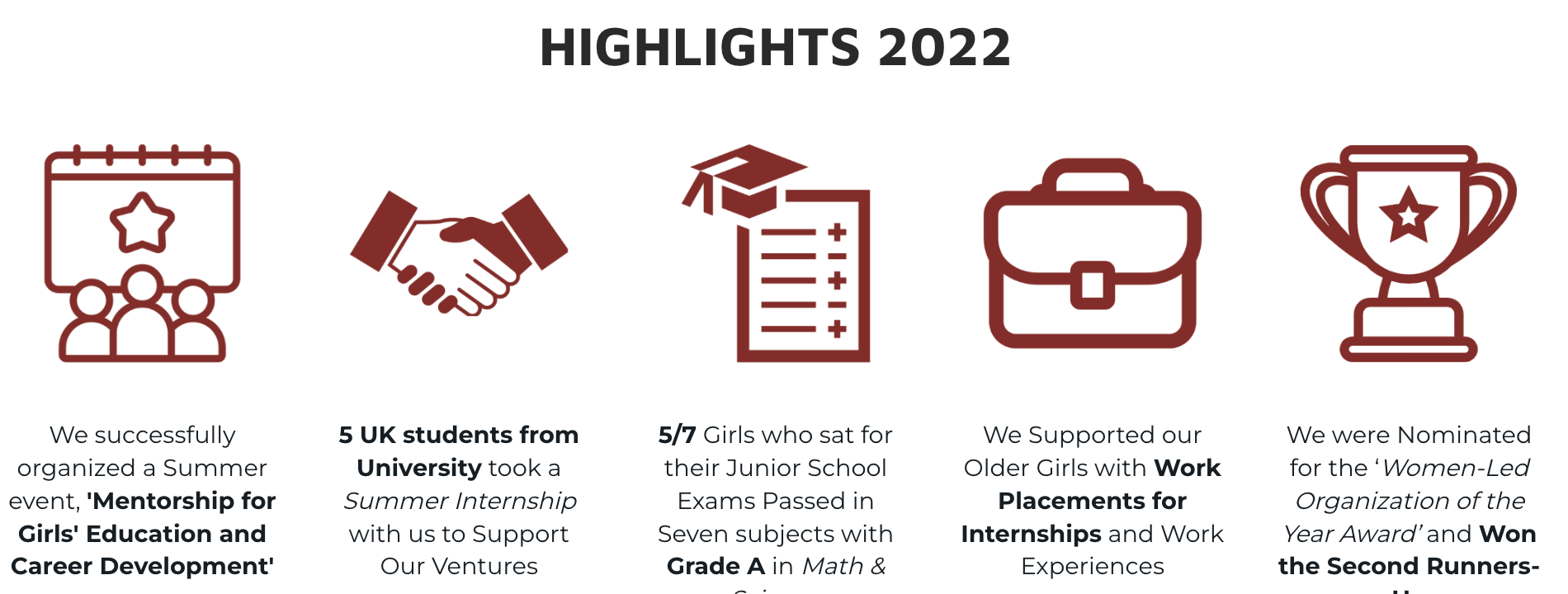 Different ways you can support a charityThere are many ways to support charities, and doing so can bring significant benefits both to the individuals and the organisations involved. Some of the different ways to support charity: Donate money : The most common way to support charity is to make a financial contribution. This can be done through one-time donations or by setting up regular donations. Donating money can provide critical financial support to organisations, allowing them to carry out their mission and reach more people in need. Donate here Volunteer your time : Volunteering is a great way to support charities. It can involve a wide range of activities, such as assisting with a fundraising event or working at a charity shop. Volunteering can help charities operate more efficiently and reach more people in need. Raise awareness: Another way to support charities is by raising awareness of their work. This can involve sharing their messages on social media, talking to friends and family about their mission, or participating in awareness-raising events. By raising awareness, you can help charities reach a wider audience and encourage more people to get involved. Become a volunteer here Raise awareness: Another way to support charities is by raising awareness of their work. This can involve sharing their messages on social media, talking to friends and family about their mission, or participating in awareness-raising events. By raising awareness, you can help charities reach a wider audience and encourage more people to get involved. Charity fundraising: Gather exclusive fundraising ideas and help enable educational access to girls in The Gambia. Organise events to raise funds online on our platform or conduct physical events to socialise for fundraising purposes. You can get in touch with us and we will guide you through the process. See ideas to raise funds Charity gifts: Donate to cover school fees, provide uniforms and books, and support essential needs. Join our events or organise fundraisers with friends to amplify the impact. Your contribution goes beyond the classroom, empowering girls with training and resources for economic independence. Together, let's support girls' education and empower future leaders in their communities. Donate a gift here Read Our Featured Blogs and More!
2 Comments
Sponsoring Child Education In The GambiaWhat is Child Sponsorship?Child sponsorship is a type of fundraising effort in which a child beneficiary is linked to a donor sponsor through the aid of a charitable organisation. In certain situations, the donated funds go to a lot of uses including health, security and infrastructure in the child’s community while in other cases, the funds are only used for the purpose of education whereby the child will be provided with equipment, books and uniform to help with their education. Recent research, however, has shown that children do better in their education and other areas when their family and community are thriving around them hence the reason why child sponsorship programs now deal with issues of sustainability such as the provision of clean water, income generation schemes, health care and education centres in areas without schools. For more information, visit Actionaid 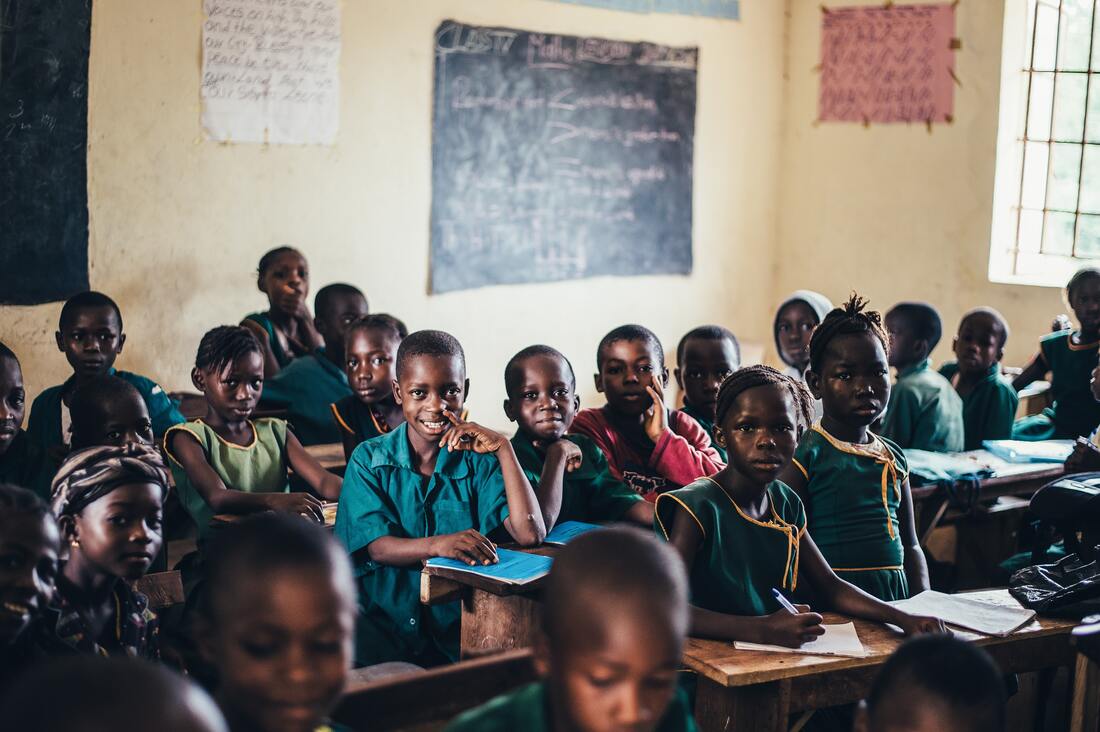 Why sponsor a child to go to school?Sponsoring a child affords you the opportunity to contribute your quota to helping individuals and communities in need. Every little helps when it comes to child sponsorship and you can even learn about a distant culture and community as a bonus, right from your location.
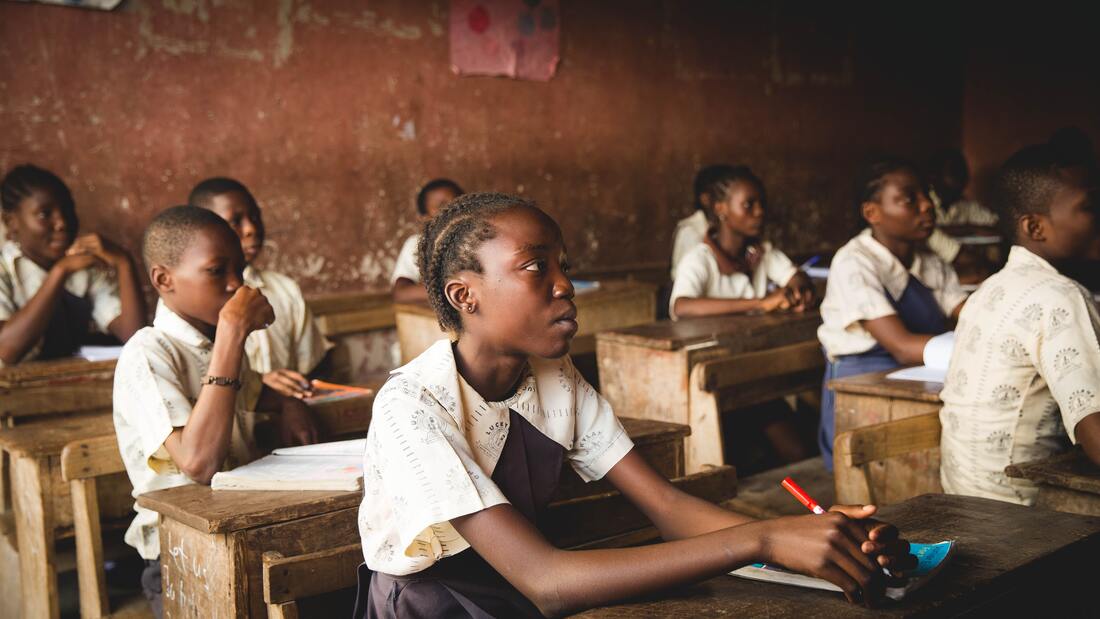 Photo by Doug Linstedt on Unsplash How to empower a girl child through educationCare.org notes that an educated girl is more likely to delay marriage and childbirth enjoy greater income and productivity and raise fewer, healthier and better-educated children. Empowering a girl child through education can be achieved in a variety of ways. One of which is to make schools for girls safe and their environment conducive. Education truly empowers the girl child. Evidence suggests that women and girls who have access to education and have skills in their arsenal to be independent economically are empowered to live healthier and more productive lives. Empowerment is the process of gaining confidence and strength particularly in exercising control over one’s life and claiming one’s rights. Girls today become women tomorrow and for them to be empowered, inequality and gender gaps have to reduce. Gender bias, culturally imbibed malpractices, child marriage, poor health and sanitation are among the negative issues being faced by girls. Lack of education, however, remains the biggest problem of them all. In order for these problems to be solved, there needs to be identified by the victims first. A lack of education prevents this from happening. Without girls knowing their rights, they cannot accomplish their dreams. This is why girls should be empowered through education. At the SaGG Foundation, you can sponsor a girl from £10 a month to enable a girl to gain access to education in The Gambia. This will enable her to build a future for herself and her family. You can also make a donation towards the provision of educational supplies such as books, bags, uniforms and stationary for girls in The Gambia. 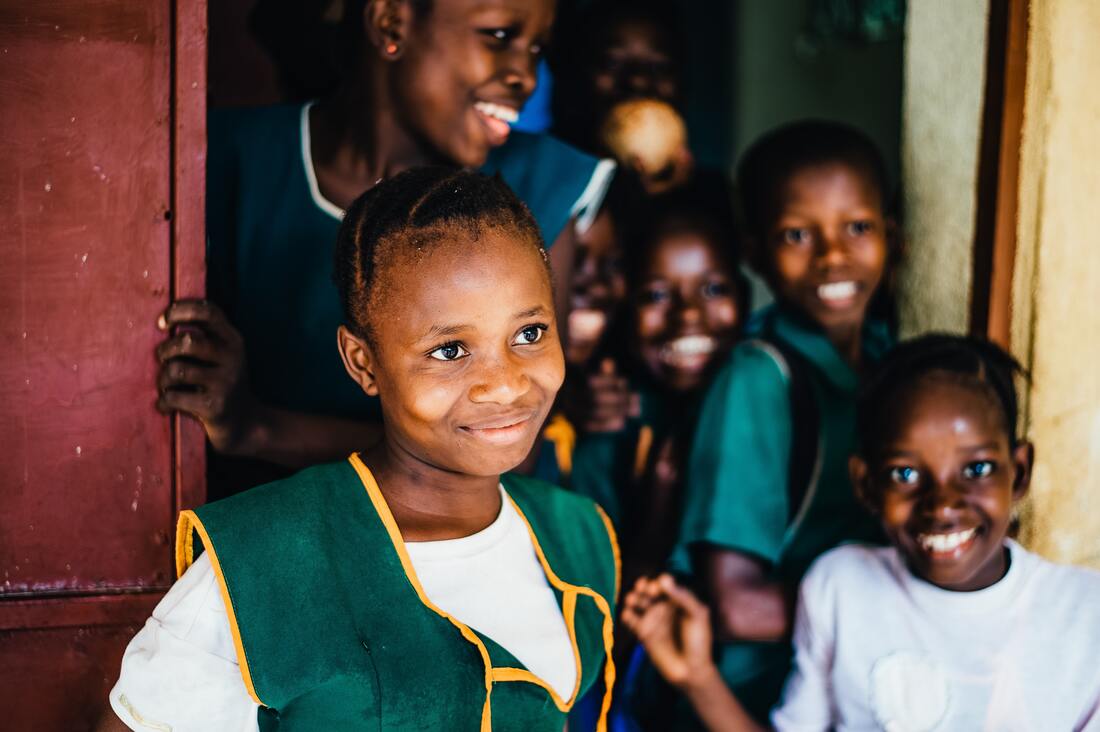 What you get for sponsoring a child through education?The greatest gain you can have for sponsoring a child through education is a sense of giving hope. Your sponsorship makes a difference in the lives of children surely but a child knowing that irrespective of their unique circumstances, someone cares enough about them to sponsor their education is priceless and makes a huge difference in the life of that child. In some cases, you can get to have a life long relationship with the child you are sponsoring through regular correspondence with the child and receive updates on how the child's schooling and welfare. Sponsoring a child through education allows you to know that you are helping communities to grow and become self-sustaining. 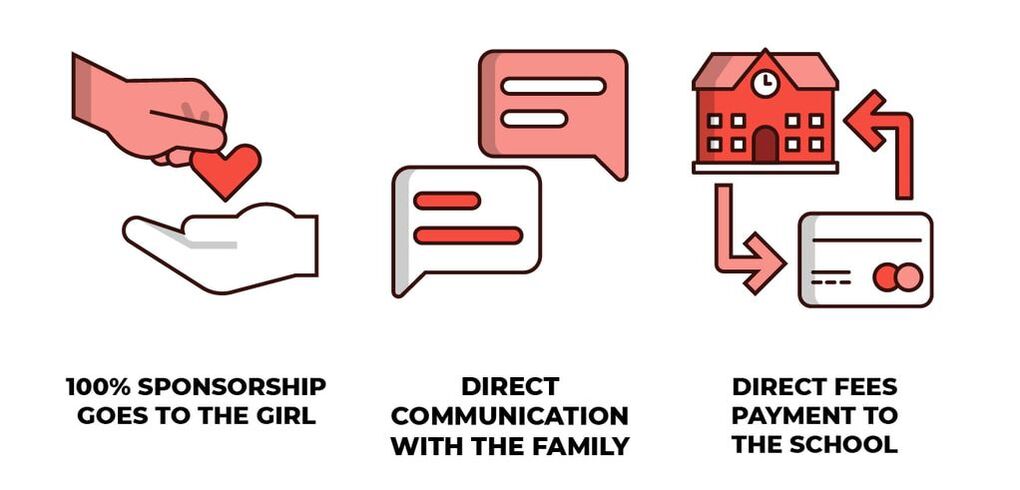 |
Archives
June 2024
Categories
All
|

 RSS Feed