Blog |

Girls' Menstruation Education Empowerment: Society's Role in Supporting Girls' in Education
Menstruation is painful and can cause embarrassment and inconvenience if not handled appropriately. In education, young girls need more prudence and support through their menstruation. For this to be achieved everyone has to give a hand.
Menstruation commences at the age of 10 – 16 years. It begins with ovulation which causes a thick lining to develop around the uterine wall. If the ovum doesn’t get fertilised, the lining disintegrates 12 – 14 days from ovulation. It comes out as blood called menstruate through the vaginal opening. It occurs once every 4 weeks and lasts 3 - 7 days. Lack of access to safe and hygienic menstrual products can have significant impacts, especially on girls' education. According to research, 49% of girls have skipped a whole day of school due to their periods, and out of those, 59% have resorted to fabricating excuses to avoid attending school. This results in approximately 137,700 children in the UK missing school annually due to period poverty. 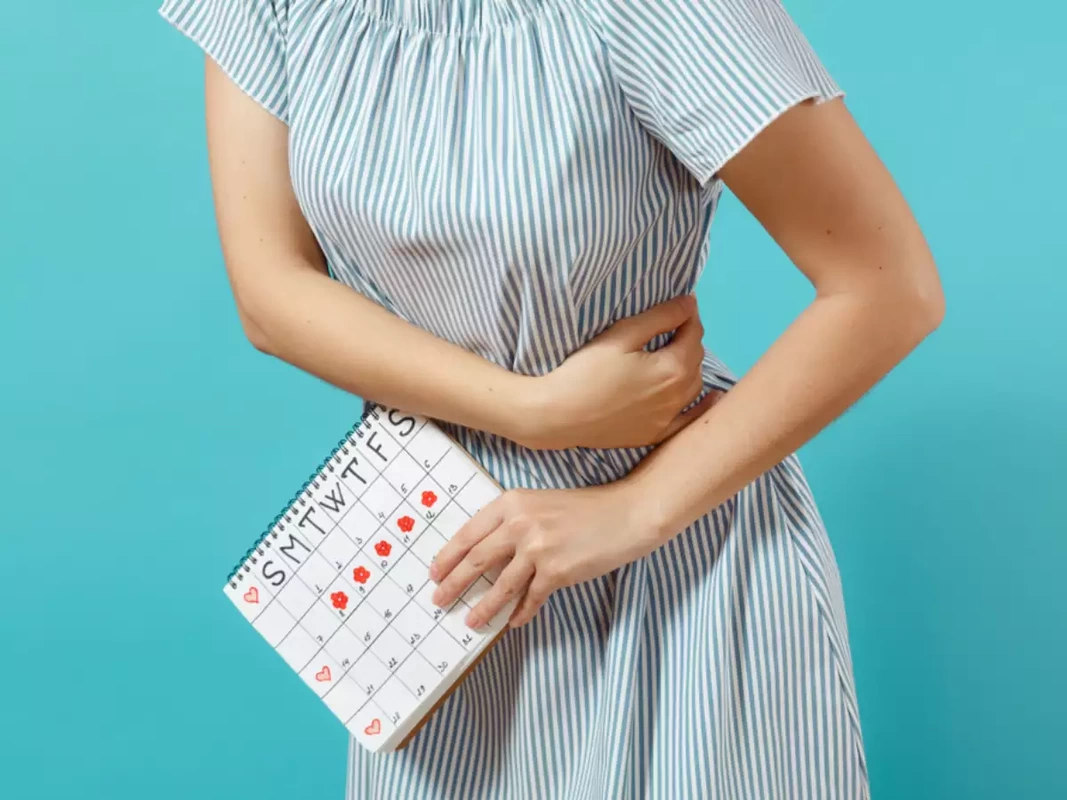
Photo by DNA India
Menstruation Education: How Can Everyone Help Girls?
They’re several ways people living around school going girls can help them feel comfortable as they go through menstruation. Menstruation during puberty or for the first time comes randomly. This may lead to unpredicted inconvenience if a girl’s clothes get blood attained. Girls are advised to immediately approach any adult around for help. The public too should receive with open hands, all girls in need of help on menstruation.
Menstruation brings abdominal pain caused by contraction of the uterus as it shades off the developed walls. Parents and guardians are therefore advised to teach their daughters different ways of reducing the pain. These include; lying down and relaxing while breathing slowly and deeply, slowly rolling a hot water bottle over the belly, using fingers for stroking the belly back, taking pain killers among others. Addressing the challenges during girls' menstrual cycle:
To address these challenges, schools and communities can provide menstrual cycle health education. Schools are also encouraged to acquire extra uniforms for girls undergoing menstruation. These will be meant for girls with heavy periods which might stain their uniform. In addition, the public should encourage young menstruating girls to take fluids like juice and water to replenish the lost fluids.
Community leaders should also organize a donation based funding project to provide free reusable pads to school going girls since some parents aren’t able to afford pads for their daughters. This is caused by a hand to mouth type of economy which is very common in Africa.
Credit to TED
Menstruation Education Empowerment:The Detrimental Impact of Menstruation Stigma on Girls' Education
Menstruation is looked at as a source of humor and an abnormality by mostly men and boys in society. This leads to depression among menstruating school going girls further leading to poor performance in class. Volunteers should rise and advise people in public gatherings on the impact caused by negative reaction to menstruation. Health education on menstruation can also help dispel common myths and stigmas surrounding menstruation.
Concerned people should stop myths from being spread by malicious members of the public that menstruation is a sign that a girl is ready for sex. This willing guard against early pregnancy which would lead to school dropout.
Menstrual Hygiene Day is a worldwide initiative that unites non-profit organizations, government agencies, individuals, businesses, and the media to advocate for improved menstrual health and hygiene (MHH). MHH is celebrated on May 28th every year. Its primary objectives are to challenge taboos, raise awareness, and transform negative societal attitudes surrounding MHH. Additionally, MH Day actively involves policymakers to enhance the political importance of MHH and drive tangible actions at global, national, and local levels.

Photo by Health Shots
Sustainable Menstrual Hygiene Solutions for School Girls: Education and Support
In order to tackle the challenges faced by girls who cannot afford menstrual hygiene products, we propose the implementation of homemade reusable pads and accessible public distribution, complemented by nutritional support and psychological counseling.
So, your support changes lives. Make a change by making a donation!
What is your opinion on implementing comprehensive menstrual health education in schools?
Options: A) It is necessary to empower young people with knowledge about menstruation. B) Parents should be solely responsible for educating their children about menstruation. C) It is unnecessary and may make students uncomfortable. D) I'm not sure/I have no opinion. Let us know your thoughts in the comment section below! Read Our Featured Blogs and More!
Follow our socials for more updatesCategoriesAll
0 Comments
The role of fathers in improving the status of girls' educationFathers, are considered to be important role models for their daughters. Together with other male relatives who are present in the life of a girl from childhood, they play a major role in determining who and what the girls are going to be once they grow up. No, were are not neglecting mothers, but girls learn a lot about life from their fathers and they play a crucial role in improving the status of girls. When a girl is taught that a woman should be treated well, respected, and taken care of in their childhood, they will start to value their worth. It is well understood that parenting is important in the ability of children to succeed, their academic performance and their social skills. The role fathers play in their daughters’ development is a major one and the type of relationship it is significantly impacts on the type of individual the daughter becomes. 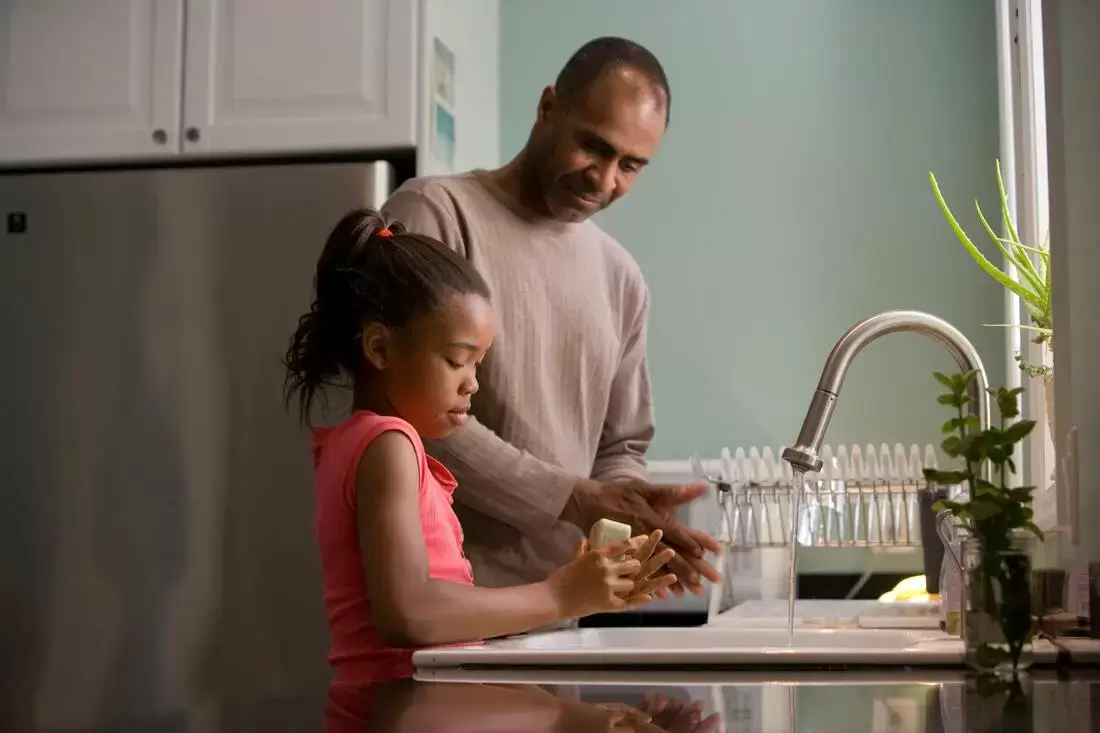 What is the role of fathers in the education of girlsAcademic abilities are influenced by father-daughter bonds: Studies and evidence has shown that girls who have attentive fathers by their side are successful in their academics. They are more likely to achieve higher grades in school than the girls with absent fathers. How does this happen? Fathers who are play an active role in the life of their daughter, will encourage her to study harder and go for higher educational achievements. Below are certain facts proven by research about a father's influence on a daughter's education.
A strong father-daughter bond not only affects a daughter’s self-esteem and body image, it affects how they perform academically. If fathers encourage their daughters to do well in school, give them access to tools such as those for getting academic assistance and help them when they struggle academically, daughters can be very successful academically. Girls and women with healthy relationships with their fathers performed better in school and on tests than those with an unhealthy or no relationship with their father. Girls who end up in male dominated careers and subjects also have better relationships with their fathers. 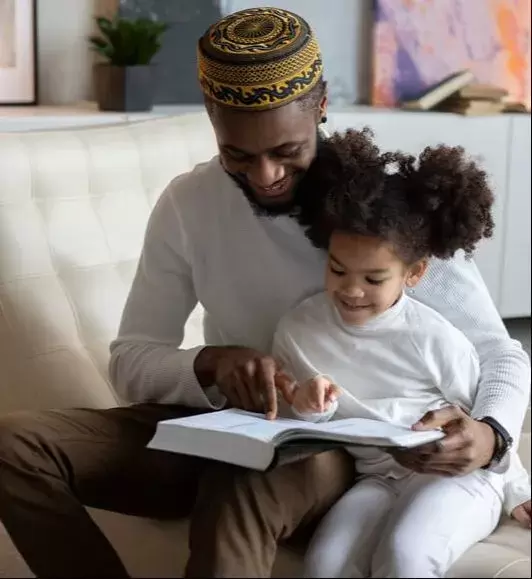 Benefits of a thriving father-daughter relationship for the girl, the family, and societyIt is statistically proven that the girls who do not have caring fathers in their lives, are three times as likely to fall victims of teenage pregnancy, and substance abuse. The Father Effect The father effect is a phenomenon that shows up at a very young age for girls. There are numerous studies that show that children from a household with a father perform better in intelligence tests and have higher IQ test scores at age 3. higher levels of intelligence correlate with greater success, longevity and happiness. Acts as little as encouraging daughters to take challenging courses and helping with homework are linked to higher levels of sociability and fewer bahavioural problems. These girls are also less likely to become delinquent, are less aggressive and are more likely to have high-paying jobs when they are grown. If a father thinks his daughter is beautiful, smart and strong, she is more likely to see herself that way. Below are some of the benefits of a thriving father-daughter relationship. Fathers mould the self-esteem and body image of their daughters: The relationship between fathers and daughters affect their mental health. Researchers in a recent study (2018) discovered that young girls with good relationships with their fathers reported less loneliness and were less likely to become anxious or clinically depressed. This positive influence also extended to them being less likely to develop body dysmorphia, eating disorders or be unhappy with their body weight or appearance. fathers that are present and loving end up giving their daughters a strong sense of self and are they are often more confident in their abilities. How fathers also treat their wives and talk to their daughters also affect how their daughters view their own bodies. Daughters from an early age pick up on the way their fathers treat other women, especially their mothers and this influences their beliefs on how women deserve to be treated. Fathers influence the social traits and behaviours of their daughters: Studies reveal that daughters who regularly communicate with their fathers in a positive way have better communication skills with both males and females in other aspects of their lives. Starting from birth to adulthood, the type and quality of communication between a father and his daughter affects the daughter’s ability to express herself - her emotions, feelings and thoughts. Fathers who show love to their daughters and show unconditional acceptance help foster a positive sense of self. Daughters often get their courage and sense of adventure from their fathers. This can be achieved by fathers when they show their daughters that they are capable of doing a lot and then empowering them to do so. 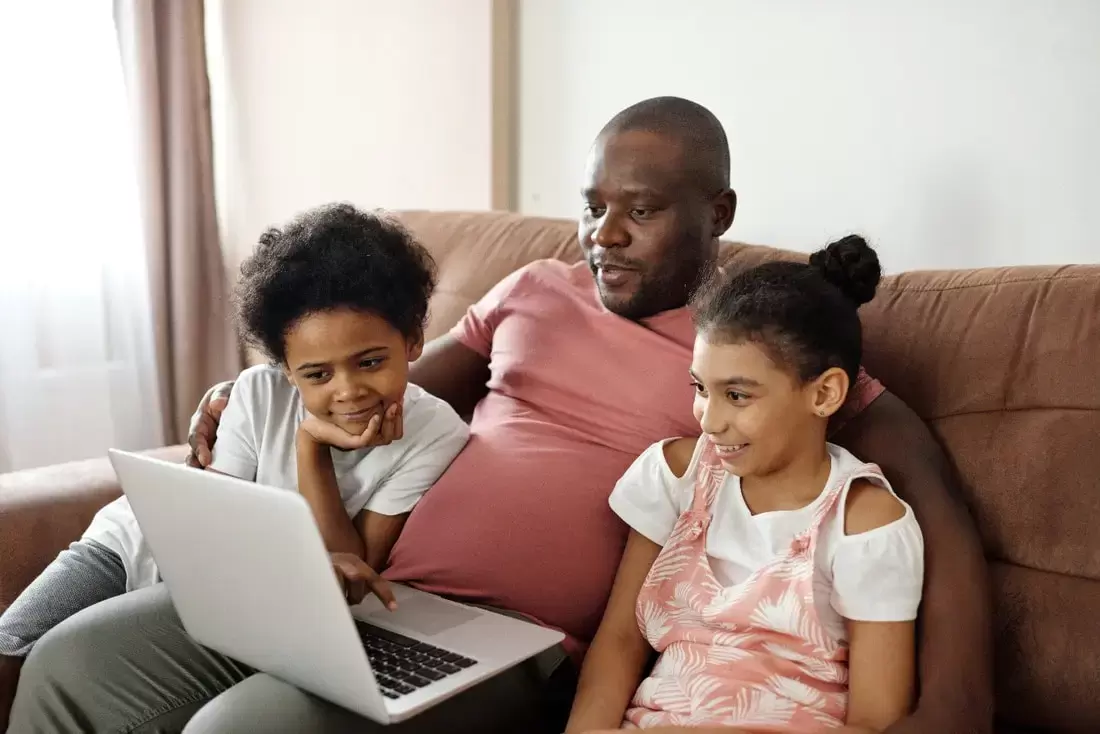 How fathers can mould good relationships with their daughtersBegin on her day of birth: Fathers should get involved with their daughters from the start by actively caring for them as babies. This helps the relationship to grow with each passing day and milestone. Cuddle with your baby, change diapers, bathe and feed them. Research shows that starting from infancy, girls draw conclusions and develop ideas about the men in their lives. Teach them new things: Something as little and simple as learning how to kick a ball or ride a bike are great accomplishments. A father can pass on all the things he enjoyed learning as a child to his daughter by showing her that learning is a journey of a lifetime and it is always alright to pick up a new hobby or skill. Learning something together is also a great way to connect. Be involved: A father that is actively interested and involved in their daughter’s life is the hallmark of every great father-daughter relationship. This is more than asking about their day but about taking an interest in those things that the child finds exciting and inspiring. The key is to find out what the child is passionate about and fostering it. Show unconditional love and validate them often: transform situations where they mess up into opportunities to teach them something by being calm, patient and loving in the process. Do not ridicule or shame them when they make a bad choice. Assure them that you still love them very much while you may be disappointed. Discuss, nutrition, exercise and the importance of sleep with them as a way to dismantle harmful stereotypes and not focusing on your daughter’s physical appearance but more on making good choices that will keep their body and mind healthy and strong. Lastly, Be a good partner and parent: an available father that is involved and supportive creates a model for a healthy parental figure. A healthy parent-child relationship affects how parenthood is approached by the child in later life. The same applies to how a father treats their spouse or partner. They are more likely to seek out loving and positive relationships and connections with partners if that is what they have seen at home. It is therefore important for fathers to be good examples of the kind of partners they wan their daughters to end up with in future.  Welcome to SaGG Foundation!Together with the support of Fathers, our male audience and supporters, we're placing girls on the path to success thorough education. See how you can be part of this movement to uplift and empower girls.
|
Archives
June 2024
Categories
All
|

 RSS Feed