SPONSOR A GAMBIAN GIRL | GIVE A LIFE | SAGG FOUNDATION
  • Home
  • Charity Champions
    • Corporate Charity Partnerships
    • Volunteer with us
  • SPONSOR A GIRL
    • Why Girls Education >
      • Girls' Education Overview
      • Girls' Education in The Gambia
      • Trends in Girls' Education
  • About Us
    • OUR IMPACT
    • Events, News & Updates
    • Our Charity Founders
    • Charity Registration
  • Blog
  • Contact Us
    • Frequently Asked Questions
  • DONATE NOW
    • Charity Fundraising
    • Charity Gifts
  • Home
  • Charity Champions
    • Corporate Charity Partnerships
    • Volunteer with us
  • SPONSOR A GIRL
    • Why Girls Education >
      • Girls' Education Overview
      • Girls' Education in The Gambia
      • Trends in Girls' Education
  • About Us
    • OUR IMPACT
    • Events, News & Updates
    • Our Charity Founders
    • Charity Registration
  • Blog
  • Contact Us
    • Frequently Asked Questions
  • DONATE NOW
    • Charity Fundraising
    • Charity Gifts

Blog

Bridging The Digital Gender Divide in Africa

7/10/2025

0 Comments


Bridging the Digital Gender Divide in Africa: Empowering Girls for the Digital Age

In today’s digital era, access to technology is not just a convenience it is a lifeline to education, career opportunities, and social empowerment. Yet, across Africa, millions of girls remain excluded from this digital revolution. Despite rapid growth in Africa’s digital economy, with projections that 230 million jobs in sub-Saharan Africa will require digital skills by 2030, the gender gap in access and skills persists. 
​
Recent studies show that 46% of men in Africa use the internet compared to just 34% of women, , while in many low-income countries, an alarming 90% of adolescent girls remain offline, compared with 78% of boys. This imbalance not only limits girls’ ability to learn and thrive but also threatens to widen inequalities in education and employment as the region moves further into a digital future. 
Bridging the digital gender gap in Africa
Source: CareerBox Africa LinkedIn  ​

Why Digital Access for Girls in Africa Matters

In Africa today, the power of digitalisation cannot be overstated, it’s a key driver of education, equity, and economic progress. Yet, the continent’s digital transformation is leaving too many girls behind. In 2021, UN Women reported that 3.7 billion people lacked internet access, and that over half of them were women reflecting a broader, ongoing global digital gender divide. 

This digital exclusion has profound implications. Without reliable internet or connected devices, girls miss out on online learning, STEM education, and remote work opportunities all of which are essential for social mobility and economic empowerment. 

Barriers Hindering Digital Inclusion

1. Economic Hurdles

High costs continue to block digital access for many girls and women. A Cherie Blair Foundation report revealed that 45% of women entrepreneurs in developing countries lack regular internet access due to expense and poor connectivity, despite 92% owning smartphones. These economic constraints limit their capacity to learn, earn, and engage online meaningfully. 

2. Infrastructure Gaps and Connectivity Challenges

Many African regions still face unreliable or absent internet access. Mobile broadband the main pathway to connectivity reaches only 27% of the population in sub-Saharan Africa, the lowest penetration rate globally. Even as coverage improves, gender disparities persist: women in the region are still 29% less likely than men to use mobile internet, leaving more than 200 million women unconnected. 

3. Social Norms and Cultural Constraints

In many communities, entrenched gender norms restrict girls’ access to technology, often controlling their access to devices or framing internet use as risky or inappropriate. A UNESCO-led study found that beyond infrastructure, cultural expectations around safety, mobility, and acceptable feminine roles frequently restrict girls’ digital engagement. 

Watch: The Mobile Gender Gap Report 2025 - GSMA Highlights ​

Source: GSMA ​
This video from GSMA explores the persistent gender gap in mobile internet access across Africa, spotlighting the economic, infrastructural, and social barriers that keep millions of women offline. 

Bridging the Digital Divide: Empowering Girls in Africa

Across Africa, the digital divide has long limited opportunities for young women and girls. Today, however, a wave of initiatives is changing that story by combining technology access, education, and advocacy to create real impact. 

1. Building Digital Literacy

Source: Global Perspectives Initiative
From coding boot camps to computer literacy workshops, organizations are equipping girls with the skills they need to thrive in tech-driven industries. Online education platforms are also opening doors, preparing a new generation of women to lead in STEM fields and beyond. 

2. Expanding Access Through Affordable Devices

Source: Mastercard Foundation
Tech companies and non-profits are joining forces to make smartphones, laptops, and tablets more affordable. For many girls, owning a device is the first step toward online learning, digital entrepreneurship, and participation in the global digital economy. 

3. Inspiring Success Stories

Real-world examples highlight the transformative power of digital access: 
  • CareerBox Africa has built a workforce that is 66% women by offering digital training and job placements to young African women. 
CareerBox Africa Women Workforce
Source: CareerBox Africa LinkedIn  
  • Hiqmat Sungdeme Saani (Ghana) — Founder of Paahibu Space. She has delivered training to over 10,000 women and girls in digital skills, entrepreneurship, cybersecurity, and online safety.  ​
Together, these efforts are not only narrowing the digital divide but also redefining what’s possible for women in Africa’s digital future. 

The Future – Closing the Gender Digital Gap in Africa

Africa’s digital future is growing fast, with over 615 million internet users projected by 2025. But millions of girls are still being left behind. 
While 52 African governments have pledged to improve girls' digital access, fewer than 30 have implemented national strategies that truly prioritise girls' inclusion in tech and education.

Why It Matters

Without access to the internet and digital education, girls lose out on learning, career opportunities, and the chance to become future leaders. 
​

Here’s what needs to change: 
  • Expand affordable internet to rural areas 
  • Integrate digital skills into school curriculums 
  • Ensure safe and equal online spaces for girls 
Source: (UN WOMEN AFRICA)

How You Can Help

Support our mission to close the gender digital gap across The Gambia and beyond. 

  • Donate to fund digital literacy training, internet access, and girl led tech programmes. 
  • Sponsor a girl’s education and help her thrive in a digital world. 
  • Empower a girl. Change a community. Shape Africa’s future. 

👉 Donate now 
👉 Read more inspiring stories 

Read Our Featured Blogs and More!
Her Human Right: Education for African Girls
Picture
​Education is a fundamental right, yet millions of African girls are still denied access to school. This blog explores the barriers and the fight for change.
Read More
Back To School Girls' Education
Picture
Back-to-school season brings hope and opportunity for girls. Yet many in The Gambia still face barriers to the education they deserve.
Read More

Categories

All
Access To STEM
Barriers To Girls Education
Budgeting-for-child-education
Child Sponsorship
Covid-19 And Girls' Education
Empowerment
Equality
Family Life & Relationship
Family-relationship-life
International Day Of Celebration
Myths Of Girls' Education
News And Updates
Technology And Innovation
Violence On Women And Girls

0 Comments

Gender Equality in Technology and Innovation

14/2/2023

6 Comments


DigitALL: Gender Equality in Technology and Innovation

With technological development and innovation increasing at an unprecedented rate, new opportunities, and challenges are being presented to the world. However, not everyone automatically benefits from these changes and some people face the brunt of the challenges. Women and girls continue to struggle to catch up to the changes and associated benefits.

When innovation and technology are mentioned, the first thing that comes to mind is digital technology. Digital technology involves electronic resources, tools, systems, and devices which make the storage, generation, or processing of data possible. These encompass the internet and mobile technologies, digital networks, services, applications, and content; virtual and augmented reality; connected devices and environments; old and new systems of media, information, and communication; artificial intelligence including machine learning such as data analytics, robotics, and automated systems and lastly, biometrics and biotechnology.
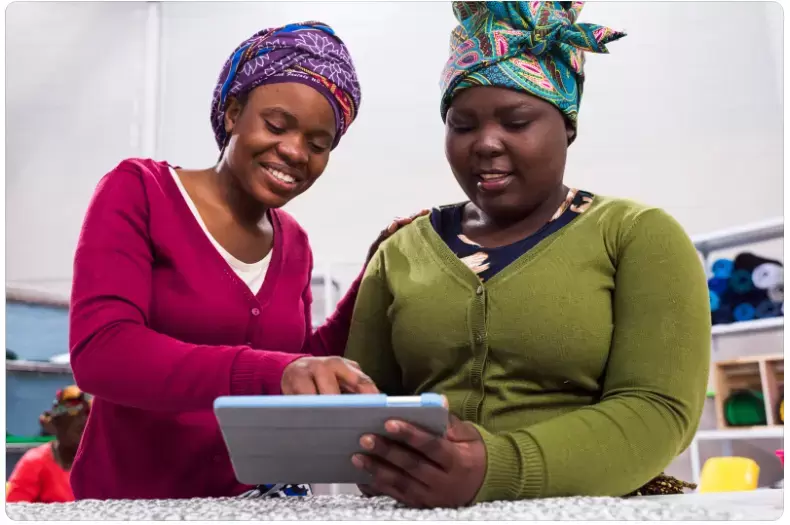
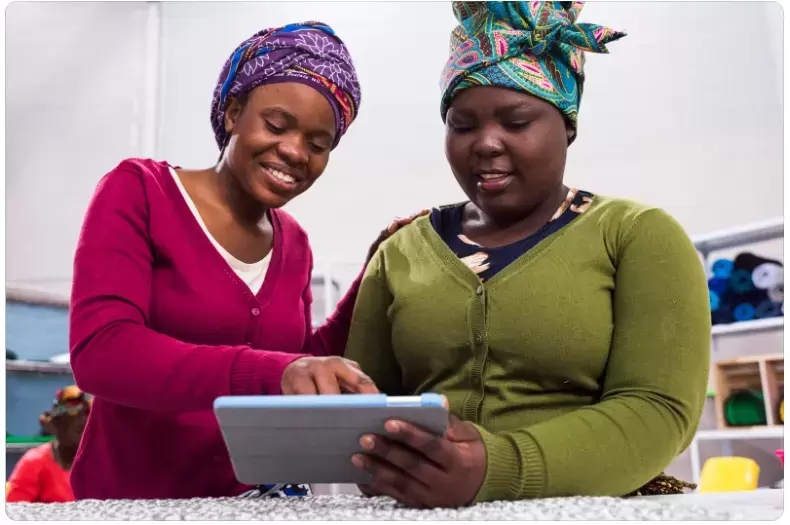
African women with iPad

Benefits of Digital Technology and Innovation for Women

Digital literacy and access to innovation and technology are essential skills for employability. They also provide new economic opportunities as up to 90% of jobs now have a digital component. This means that digitally literate women can have better access to life-changing information and entrepreneurship opportunities.

Access to innovation and technology means women and girls can have the opportunity to overcome challenges they may have in the physical world. This is because digital access increases their civic engagement, raises awareness of their rights, and helps expand their sense of self in the world.

Another key benefit to digital adoption and use is that women and girls will have fewer barriers to workforce participation as they will be able to compete for job opportunities with their male counterparts.
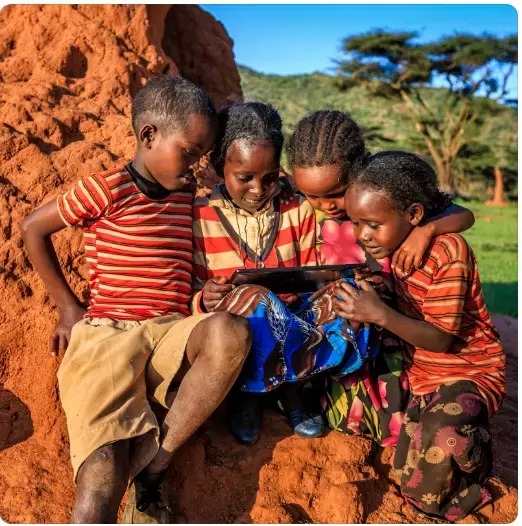
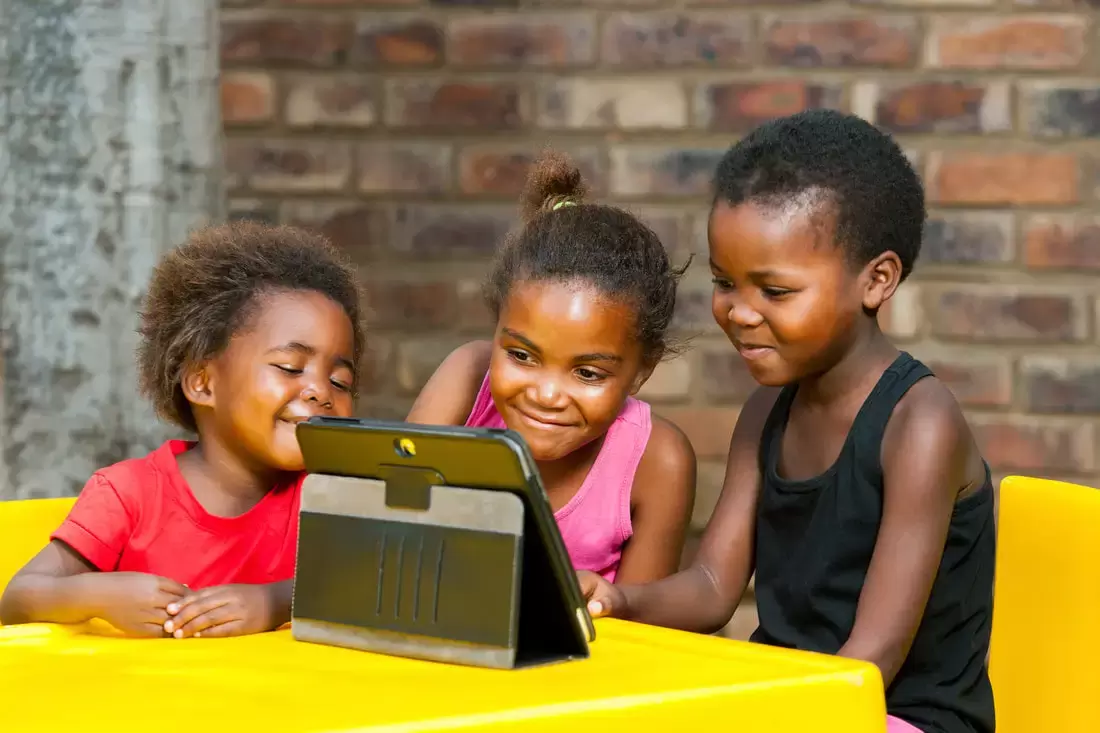
Children in African using digital tablet

Gender disparities in Technology and Innovation

​Despite the benefits of the adoption of digital technology and innovation, clear geographic, economic, and social gaps persist when access is considered such as those related to gender. The digital world is a stark replication of gender inequality in the physical world. It is believed that more than 50% of the women in the world are offline (International Telecommunications Union), particularly in developing countries which have an internet penetration rate of 41% for women compared to 53% for men.  Up to 393 million adult women in developing countries do not own mobile phones and are 8% less likely to own a mobile phone than men. This is around 23% for Sub-Saharan Africa. Women in sub-Saharan Africa are 23% less likely to own a mobile phone.

For girls, those between the ages of 15 and 19 are less likely to have used the internet in the last 12 months, along with lower mobile phone ownership. Comparatively, 46% of boys use the internet on their phones as opposed to 27% of girls.

According to the World Bank:
  • In 2020 Only 30% of Africans had access to the internet, meaning 70% of Africans did not have access.
  • In 2021, it rose to 33% in sub-Saharan Africa.
  • 19% of women in Africa used the internet in 2020 compared to 86% in the developed world.
  • Women in low and middle-income countries are 16% also less likely to use mobile internet than men.
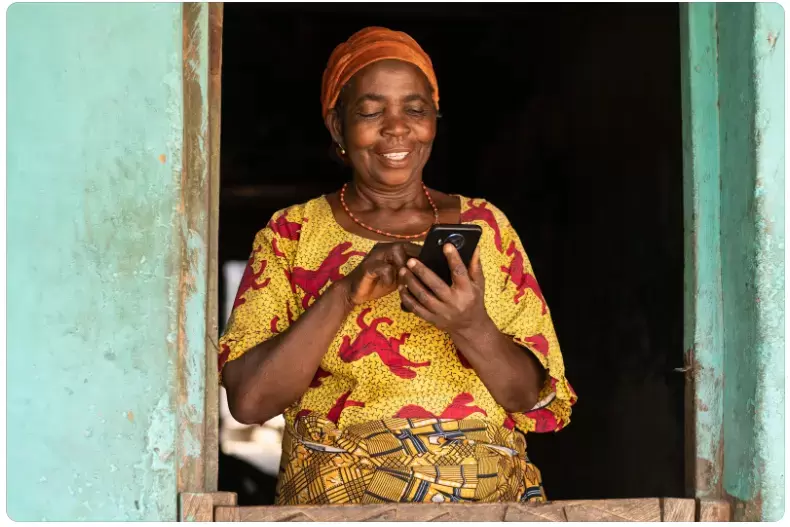
African women using mobile phone

Policy and government-level changes to bridge the gender technology gap

1. Understanding the phenomeon

To bridge the gender divide gap, there is a need to understand the reasons why these gender gaps persist. One major barrier is lesser access of women and girls – access to data, devices, and networks than boys. Low infrastructure levels, network quality, and coverage also affect women and girls more.

Furthermore, women most of the time earn between 30 to 50% less than men, are less financially independent, and have less disposable income to spend on mobile or internet services. Some of these women even have their access to mobile phones and the internet restricted or monitored by men. Particularly in sub-Saharan Africa, women and girls who live in rural areas experience serious gaps in infrastructure and network coverage.

2. Social norms and gender inequality

​Another reason is social norms and gender inequality. Several communities perceive the internet as a risk to traditional social order and view it as a risk for women and girls. Research has however shown that when social barriers are removed, more women and girls can become frequent and active users of the internet.

3. Inequality in education

The third reason is inequality in education. When access to digital technology is not regular, women and girls can’t develop digital literacy by becoming familiar with digital platforms, devices, and services.

4. Lack of gender sensitive technology

​Lastly, the lack of digital products and services designed for women and girls also hampers their digital literacy. This makes them more vulnerable to online risks such as abuse, data privacy issues, and cyberbullying than men and boys.
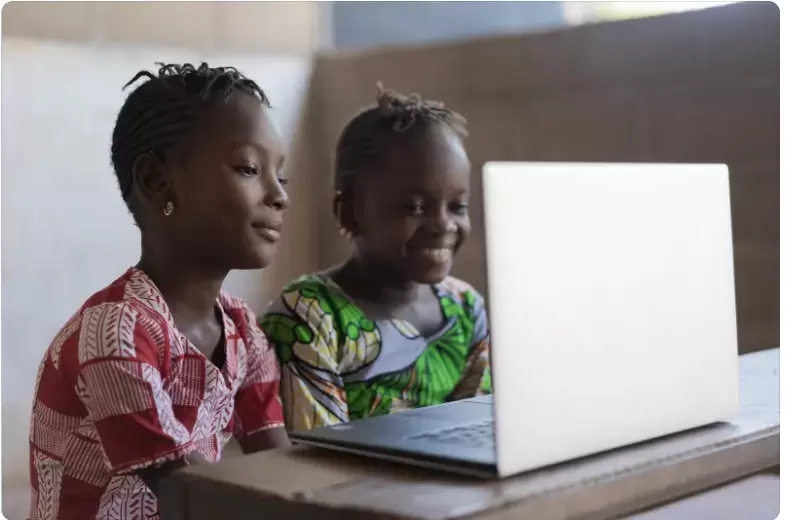
Two African girls with a laptop

Solutions for gender equity in access to technology

Access to digital literacy
There should be digital literacy training for fathers, mothers, and other family members so that the value of digital adoption for girls is better understood. It will give them the chance to support girls to be online safely and remove the notion that the internet is a dangerous and unsafe place.

​Creation of government policies
National governments and policymakers will also have to ensure that gender laws are used when any legal frameworks for online safeguarding, security, and data privacy are considered. Protection has to be ensured for both genders.

Collaboration between gender organisations and government
Women and girls’ organisations also need to work hand in hand with the governments and policymakers to come up with these frameworks so that the voices of girls are heard. They need to be included in decisions that concern them.

Creation and design of a technology-integrated education system
Education policies should focus on digital skills for girls as well as boys. Training for these skills should be added to the formal school curricula from the primary school level to ensure that these skills are built over time and at an early age.

​Collaboration with internet and mobile companies
​Collaboration with the private sector such as mobile operators and network providers can also help to support the development of digital literacy for girls especially those that live in very remote places or are out of school. 
Read Our Featured Blogs and More!
Girls and women in ICT
Two women with an iPad
7 million people work in the ICT sector but only 30% are women. 6% of CEOs at the top 100 global technology companies are women.
Read More
Girls' Education and Technology
Three girls with laptop
Technology is paramount to the education of young girls, especially in Africa. An estimated 40% of girls lack access to technology.
Read More
5 Myths of Girls' Education
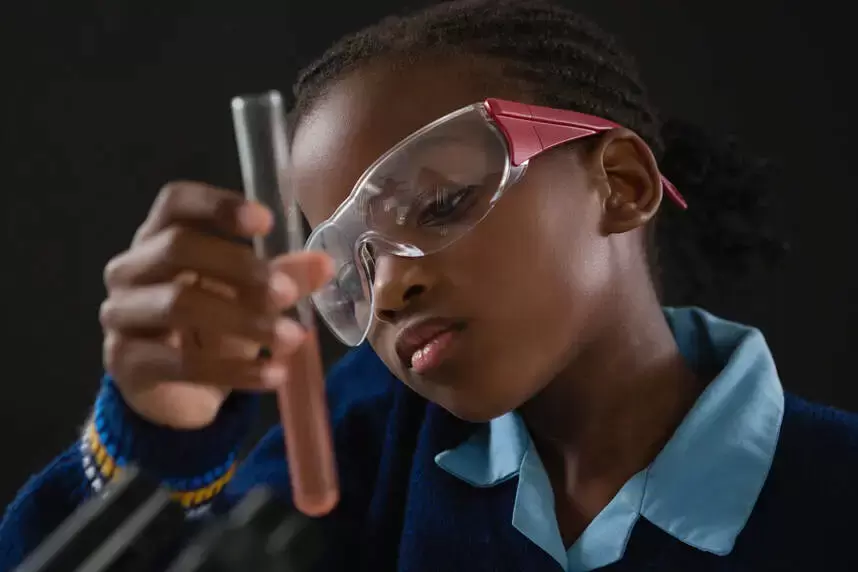
Girl with science a tube
Girls are at a higher risk of missing out on education due to persistent myths and misconceptions surrounding their education.
Read MORE

Follow our socials for more updates

RSS Feed

Blog Categories

All
Access To STEM
Barriers To Girls Education
Budgeting For Child Education
Child Sponsorship
Covid-19 And Girls' Education
Empowerment
Equality
Family Life & Relationship
Family-relationship-life
International Day Of Celebration
Myths Of Girls' Education
News And Updates
Technology And Innovation

6 Comments

    Archives

    November 2025
    October 2025
    August 2025
    September 2024
    August 2024
    June 2024
    April 2024
    March 2024
    January 2024
    October 2023
    September 2023
    May 2023
    February 2023
    January 2023
    December 2022
    October 2022
    June 2022
    February 2022
    July 2021
    June 2021
    April 2021
    March 2021
    February 2021
    December 2020
    November 2020
    September 2020
    July 2020
    June 2020
    April 2020
    March 2020
    January 2020
    December 2019

    Categories

    All
    Access To STEM
    Barriers To Girls Education
    Budgeting-for-child-education
    Child Sponsorship
    Covid-19 And Girls' Education
    Empowerment
    Equality
    Family Life & Relationship
    Family-relationship-life
    International Day Of Celebration
    Myths Of Girls' Education
    News And Updates
    Technology And Innovation
    Violence On Women And Girls

    RSS Feed

The SaGG Foundation (Sponsor a Gambian Girl) is a girl’s education movement, with aim of championing the cause for girl child education in The Gambia. Education is a basic human right; our vision is to advocate and champion for female education.

TAKE aCTION

Sponsor a girl
Donate
​​Read our Blog
​Get Involved
Volunteer with us

​Corporate Partner


About us

​Contact Us
​About Us
Registration
FAQs
The Founders
Meet the Team

lEARN MORE

Impact
​Girls' education 
The Gambia
Overview
Events, News and Updates

ConnecT

© COPYRIGHT SaGG Foundation ALL RIGHTS RESERVED.
Sponsor a Gambian Girl Norway Charitable Registration 922 349 770
The SaGG Foundation Charity Registration - The Gambia 2019/C9123